The problem also relates to https://youtu.be/URmIx3Q6Hg4 how the brain, when deprived of the drugs to which it is accustomed, responds to stress. The reaction is normally overstated unfavorable emotion, and even misery. In this setting, the strong association of discovered ecological hints (for example, smelling beer at a ballgame or seeing the corner where the dealer can be discovered) exacerbates the yearning for the compound.
The brain science behind these observed and quantifiable processes in addiction helps to clarify the objectives of treatment. Agonist medications (such https://t.co/gu16hSrrUU#morphine-abuse-treatment as methadone and buprenorphine) can stabilize the yearning brain while the planning and thinking procedures return in shape. However how can an individual with dependency avoid the hints that set off craving? How can they reliably get assist? It is not enough just to "simply state no." The individual requires to develop alternative sources of delight and reward, and people who have been isolating themselves in order to drink or use drugs without inhibition might require to work in a purposeful way to re-acquire regular "delight" social interactions, physical satisfaction like a swim or a bike flight, and other healthy, enjoyable rewards.
Clearly, there are individuals on the moderate end of the spectrum who have the capability to select to stop or cut back. For these individuals, when the benefits of not using outweigh those of utilizing, they stop. Some individuals with a pattern of unhealthy drug or alcohol utilize that satisfies requirements for a diagnosis of substance use condition may likewise "fully grown" out of it without formal treatment.
I wish for my patients that comprehending that there is biology someplace down deep in these bothersome and typically lethal habits can mitigate the self-loathing and guilt that is almost universal among people with addiction. And to comprehend that it might even go deeper, to the genes and experiences over which they had no control, might likewise help.
And when we get excellent at it, perhaps, simply maybe, we can begin to have the choice to live a life that is acceptable or even much better than we 'd pictured. Commenting has actually been closed for this post.
Drug dependency, in the most basic terms is the strong compulsion to get and use substances, despite the fact that a number of unfavorable and unsafe repercussions are likely to happen. Addiction has actually been referred to as a "medical disorder that impacts the brain and changes habits." Different substances consisting of alcohol, illegal drugs, prescription medications, and even some over the counter medicines may fuel the advancement of a dependency.
The Basic Principles Of Where To Get Help For Drug Addiction
The meaning of addiction differs amongst people, organizations, and medical experts, and society's viewpoints about dependency are ever-evolving. The National Institute on Substance Abuse (NIDA), the Substance Abuse and Mental Health Services Administration (SAMHSA), and the National Institutes of Health (NIH) all likewise explain addiction as a long-lasting and relapsing condition identified by the private compulsively looking for and utilizing drugs in spite of negative repercussions.
These modifications are long-term and can continue well after the person has stopped using drugs. Comparing substance addiction to heart problem may help show why it is specified as an illness by a lot of:1 Both addiction and heart disease disturb the regular functioning of an organ in the body the heart for cardiovascular disease and the brain for dependency.
Addiction and numerous kinds of heart disease are mostly avoidable by participating in a healthy way of life and preventing bad choices. They are both treatable to avoid additional damage. AAC is in-network with numerous insurance business. Your addiction treatment could be complimentary depending on your policy and deductible. In addition, because dependency is marked by durations of healing and symptom reoccurrence (regression), it resembles other illness like hypertension and type-2 diabetes. These illness are long-lasting conditions that require consistent effort to handle.
3 The concept that substance addiction is an illness is not, however, universal. Some would argue that addiction is not a disease because: Dependency is not transmissible or infectious. Dependency is not autoimmune, hereditary, or degenerative. Addiction is self-acquired, suggesting the person gives the condition to himself. Proponents of this method of thinking put far more emphasis on the social and ecological factors of addictionone supporter claims that dependencies might be "cured" by locking addicts in a cell where there is no access to substancesinstead of on the brain modifications that take place as a result of compound abuse.
For example, it is real that a lot of drug abuse begins with a decision (although in numerous cases substance usage started with a prescription from a medical professional for a genuine medical problem and evolved into abuse). However while nobody forced an addicted individual to begin misusing a substance, it's hard to picture somebody would willingly destroy their health, relationships, and other significant areas of their lives.
It should be noted that the "addiction is an option" view is mainly relegated to people and small groups. There are few, if any, nationally acknowledged compound abuse-focused organizations whose views have actually not progressed to understanding addiction as a disorder or illness. In fact, the NIH sees the concept that dependency is an ethical failing as an obsoleted, ill-informed relic of the past. The American Psychiatric Association (APA) no longer uses "addiction" as a term or diagnosis.
Not known Facts About How To Help A Loved One With Drug Addiction
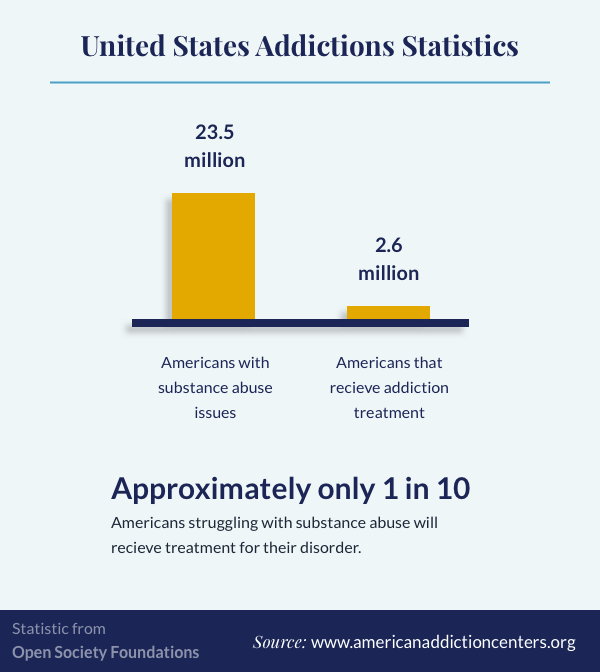
7 No matter how one defines addiction or what term is utilized, what is clear is that addiction is a huge problem in the U.S. that impacts millions. Another irrefutable fact is that lots of drugsboth illicit and prescriptionare quite addictive. People get addicted to drugs for many reasons, however one of the significant elements behind why drugs are so addicting is the gratifying, blissful high they bring about.
1 Every individual experiences natural rewards in their life like a scrumptious meal, a preferred song, the pleasant feeling following workout, or the happiness after sex, but drugs provide something more. The high that originates from abusing drugs is bigger, brighter, louder, and more satisfying than any natural reward, and it can make natural benefits appear little, dim, and peaceful by comparison.
Trigger the release of brain chemicals in large quantities. what does god say about drug addiction. Avoid brain chemicals from being recycled and reabsorbed into the brain. One of the brain chemicals often discussed in the addictive power of substances is dopamine. 1 Researchers believe, when a satisfying event takes place, the brain releases dopamine to signal the experience and encourage repetition.
Dopamine tells the brain that the experience of utilizing a drug is crucial and ought to be repeated (which neurotransmitter is involved in drug addiction?). The brain is programmed to remember individuals, places, and things related to the use, so it will be easier for the person to duplicate the situation. With repeating, these bursts of dopamine tell the brain to value drugs more than natural rewards, and the brain changes so that the benefit circuit ends up being less conscious natural rewards.
1 If natural rewards are a plate of broccoli, drugs are a substantial bowl of ice cream, and broccoli is even less tasty after ice cream. Gradually, the desire for drugs becomes a discovered reflexa person can be triggered to utilize by the people, locations, and things that are linked to their substance abuse, simply as somebody might get hungry driving by their favorite dining establishment, only the desire is most likely to be far more frustrating.